Mindy's Memory Primate Sanctuary
The Sanctuary
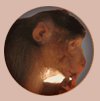
It all started in the year of 1992. Entering my life came an adult rhesus macaque called "Mindy Sue". Age unknown, small for her species and severely under weight, Mindy was to change my life in ways I could never imagine.
In Mindy's memory, the Sanctuary was founded and built to what it has become today. To give a chance at a freer life for those who find us.
Spring Cleaning/Enrichment
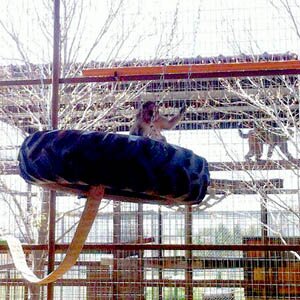 Cleaning, painting and adding enrichment, like this tire swing, is in full swing at the Sanctuary.
Helpful Information
Experience the convenience of securing professional research assistance through the option to pay for research on Essaypro. This platform connects you with skilled researchers who specialize in delivering high-quality and thorough research tailored to your academic needs. From in-depth analysis to proper citation, these experts ensure research that meets the highest standards. Visit the provided link to explore how enlisting support can streamline your research process and contribute to your academic success.
Looking for a trustworthy essay service? Look no further. Our chosen Assignment writing service essayservice.com is dedicated to providing top-quality, plagiarism-free essays tailored to your needs. With experienced writers and a commitment to on-time delivery, you can trust us to help you excel in your academic endeavors.
|
|
||
What's New?Four New Rhesus Macaques Arrive at Mindy’s Memory!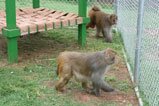
Four new monkeys arrived safely at Mindy's Memory. They are paired two and two and are getting along beautifully. There names are Razor, housed with Maya. Bling, housed with Inca. Their favorite vegetable is a carrot. Fruit is grape number one, then apple and banana. They love peanuts, raw in shell. |
Job Opening at Mindy'sNo positions currently available. |
Volunteer OpportunitiesMindy's Memory is looking for lots of volunteers to help at the sanctuary especially on Saturdays. It would only be for about 3-4 hours a day. |